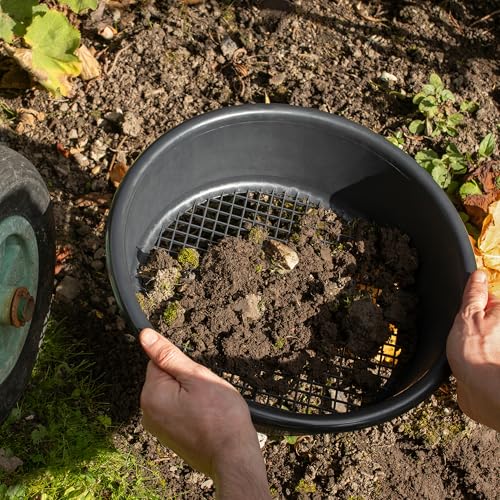
simple ways to enrich your soil for successful gardening
Gardening can be a rewarding hobby, but the success of your plants largely depends on the quality of your soil. Healthy soil is the foundation for vibrant plants, and enriching it can lead to a bountiful harvest. In 2026, here are some simple yet effective ways to improve your soil and create a thriving garden.
1. Understand Your Soil Type
Before you start amending your soil, it is essential to understand what type of soil you are working with. Soil can be sandy, clayey, or loamy, each having its unique characteristics. Conduct a simple soil test by collecting samples from different areas of your garden. You can use a home testing kit or send samples to a local agricultural extension office. Knowing your soil's pH and nutrient levels will allow you to make informed decisions about what amendments are necessary.
2. Add Organic Matter
One of the best ways to enrich your soil is by adding organic matter. Compost is a fantastic option as it improves soil structure, increases nutrient content, and promotes beneficial microbial activity. You can create your compost by combining kitchen scraps, garden waste, and brown materials like dried leaves. Aim for a balanced mix and turn your compost regularly to promote decomposition. Incorporating well-rotted manure is another excellent way to boost nutrients in your soil.
People Also Look For:
- Mr Fothergill’s Alpine Strawberry ‘Red & White’ Seeds for Planting UK – Sweet Dual-Coloured Berries, Pe...
- Pak Choi Hanakan F1 Organic Seeds Fast Growing Tender Crisp Leaves Easy Sow Hardy Vegetable Salad Stir Fry Patio Garden Container ...
- Vegetable Seeds for Planting UK, Variety Pack Varieties of Veg, Herb Grow Your Own. Easy to Grow Indoor, Outdoor Non-GMO (Cabbage ...
- Vegetable Seeds for Planting UK, Variety Pack Varieties of Veg, Herb Grow Your Own. Easy to Grow Indoor, Outdoor Non-GMO (Okra Cle...
- Brannan Garden Soil Thermometer Probe - Ideal Greenhouse Accessories to Measure propagator soil temperature for planting and sowin...
3. Use Cover Crops
Planting cover crops during the off-season can significantly enrich your soil. Crops such as clover, vetch, or rye add nutrients back into the soil and prevent erosion. These plants fix nitrogen and improve soil structure when tilled back into the ground. In the fall, sow your chosen cover crop and turn it into the soil before it flowers in spring. This technique not only enriches your soil but also helps suppress weeds and improve moisture retention.
4. Incorporate Mulch
Mulch is not just for aesthetics; it plays a crucial role in soil health. Applying a layer of organic mulch, like wood chips, straw, or shredded leaves, helps retain moisture, suppress weeds, and gradually break down to enrich the soil. Aim for a layer of 5 to 10 cm around your plants, ensuring it does not touch the stems to prevent rot. As the mulch decomposes, it will add nutrients back into the soil.
5. Rotate Crops
Crop rotation is a traditional method that can help maintain soil health. Planting different crops in the same location each year helps prevent nutrient depletion and reduces the risk of pests and diseases. For instance, follow heavy feeders like tomatoes and peppers with nitrogen-fixing plants such as beans or peas. This cycle will create a balanced ecosystem in your garden and keep your soil rich and fertile.
6. Practice Minimal Tillage
While tilling can prepare the soil for planting, excessive tilling disturbs soil structure and can lead to erosion. Instead, practice minimal tillage by aerating your soil gently and only as needed. Use a garden fork to loosen the soil without turning it over completely. This method preserves beneficial organisms in the soil and maintains its natural structure.
7. Test for Nutrient Deficiencies
Regular soil testing not only gives you insight into the soil type but also helps identify nutrient deficiencies. Common deficiencies include nitrogen, phosphorus, and potassium. Based on the results, you can amend your soil with specific fertilisers, such as bone meal for phosphorus or potassium-rich greensand. Always follow the recommended application rates to avoid overwhelming your plants.
8. Embrace Biodiversity
Encouraging a diverse range of plants in your garden can improve soil health. Companion planting, where specific plants are grown together, can enhance nutrient uptake and reduce pest issues. For example, planting marigolds alongside vegetables can deter pests and attract beneficial insects. Biodiversity contributes to a more resilient garden ecosystem.